/cls_landing-pages_stacked-logo_1_260603.png?h=768&iar=0&w=982&hash=C9A30BE993DE34E961B29EF093D467EC)
your bottom line.
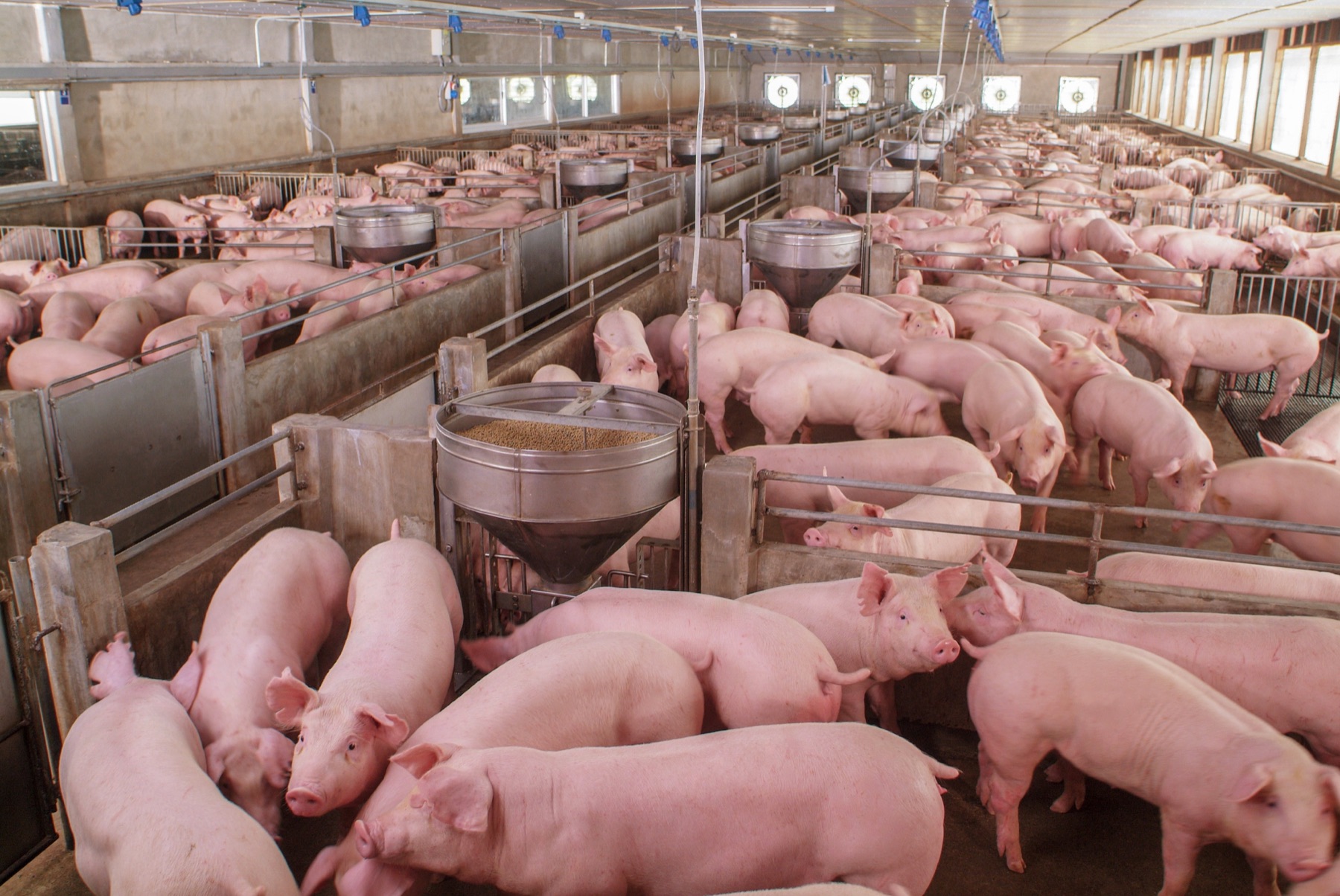

Insect infestations can eat away at up to 28% of available starch in corn during storage, reducing feed performance dramatically.*

Every time.
The decision isn't whether to spend money on grain protection. It's whether you spend it on your terms or on someone else's timeline.
It's a grain- and feed-quality decision.
It's time to think differently about grain protection — not as a reaction to a problem, but as a standard operating protocol that protects the value of everything you're handling from the moment it comes in the door.
Talk to a Central Life Sciences rep about building your protocol →Grain Protection Protocol.
A proactive Grain Protection Protocol built on trusted, effective products is the key to defending what you store — and feed to maximize your profitability. The best part? Implementing one can be easy.

Reduce risk early by cleaning out bins, floors, augers and all contact surfaces.
Apply on-grain protection during load-in to lock in value and ensure full coverage across all grain entering storage.
Monitor grain condition over time to preserve grain quality, consistency and volume.
Grain arrives clean and market-ready, helping you reduce discounts, damage and rejected loads.
Every product in the Central Life Sciences stored grain portfolio is designed to work together — giving you a complete, protocol-driven approach to grain protection throughout the entire feed system.
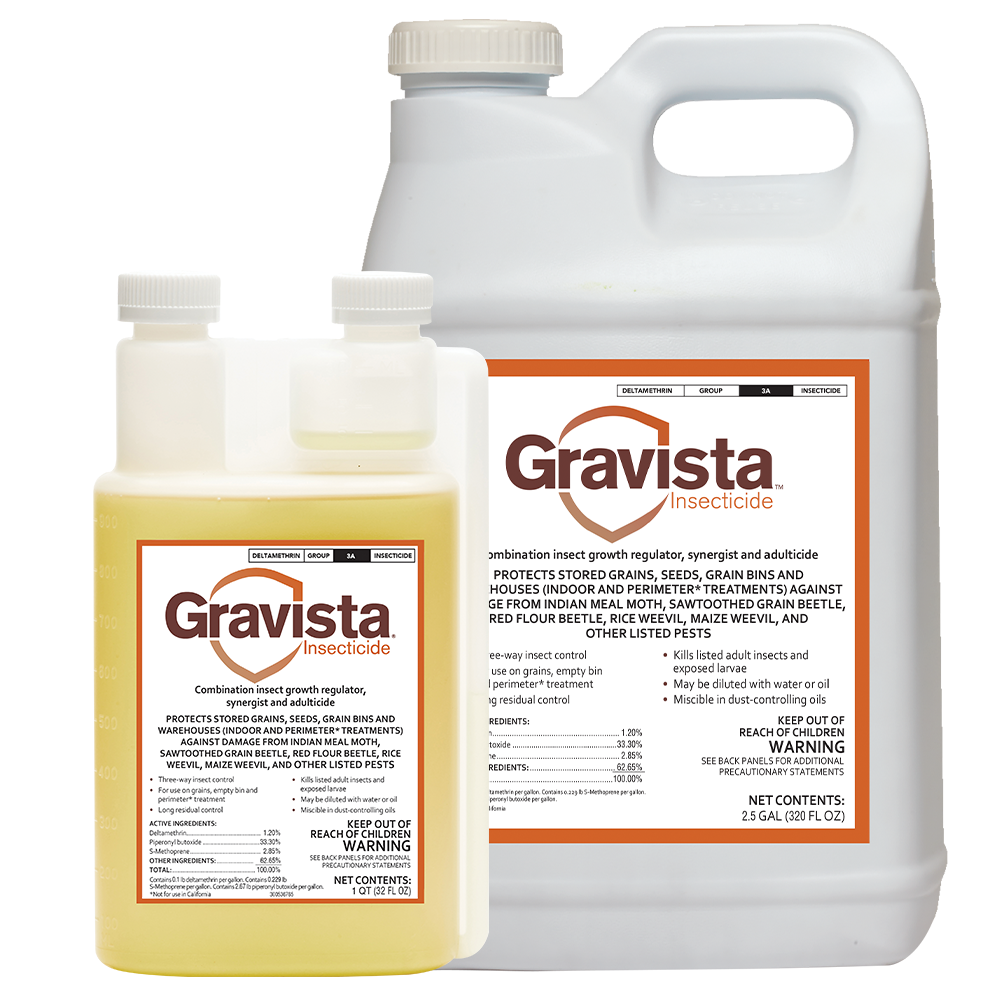
EPA-registered. Up to six months residual. Controls weevils, lesser grain borers, Indian meal moths, flour beetles and more across corn, wheat, rice and other stored grains.
View Label & SDS →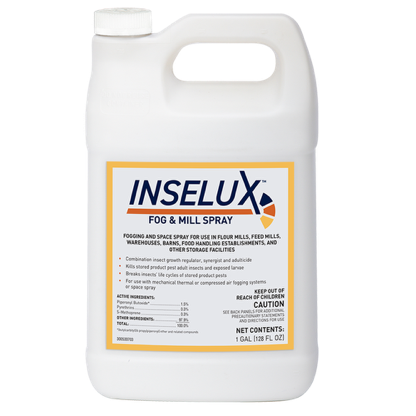
Concentrated formulation. Applied via air fogging systems or as a space spray. Controls gnats, weevils, sawtoothed grain beetles, Indian meal moths and more in feed mills, barns and grain storage facilities.
View Label & SDS →Find out how to implement your own protocol the easy way. Contact us today and we'll reach out to get you started.
*Stathers, T. E., Arnold, S. E. J., Rumney, C. J., & Hopson, C. (2020). Measuring the nutritional cost of insect infestation of stored maize and cowpea. Food Security, 12(3), 639–666.
